«The Wari culture of ancient Peru»
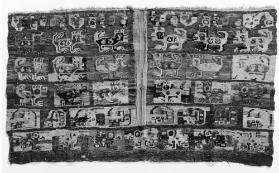
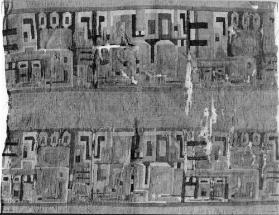
The Wari culture became the dominant power in the southern highlands of Peru in the Middle Horizon period (7th–11th century). With an extensive network of towns and settlements at strategic junctions, it left its mark on large parts of the Andes region. Despite iconographic parallels with Tiwanaku works, the Wari, with their highly abstracted visual language and structured forms, are today considered a culture in their own right. They produced outstanding textiles, including artfully woven tunics that have been preserved in tombs. Their complex patterns show the staff-bearing deity alongside winged creatures that also appear in Tiwanaku monuments. In addition to textile fragments, the museum’s collection includes ceramics such as the typical handled jugs and double-spout vessels.